Hammering home the importance of our labor force
/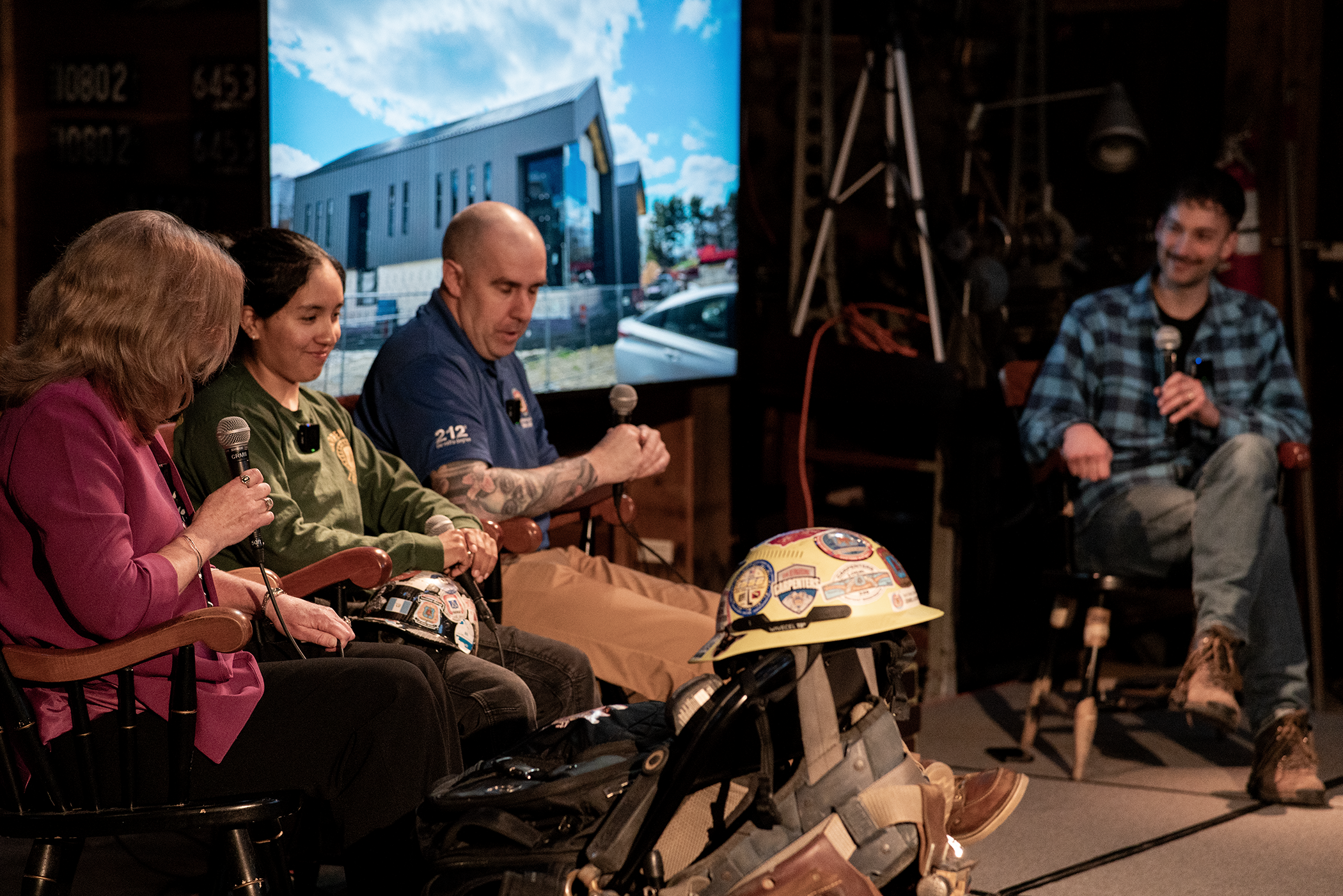
Last week, the Charles River Museum of Industry & Innovation hosted our first session of a new series spotlighting the realities of modern industrial work: Blue Collar 101.
At a moment when conversations about workforce development and the future of work often happen without workers in the room, this program starts from a different premise: The people who build, maintain, and repair the physical world are experts, and their knowledge deserves a public platform.
It is sponsored through a generous grant by The Lowell Institute.
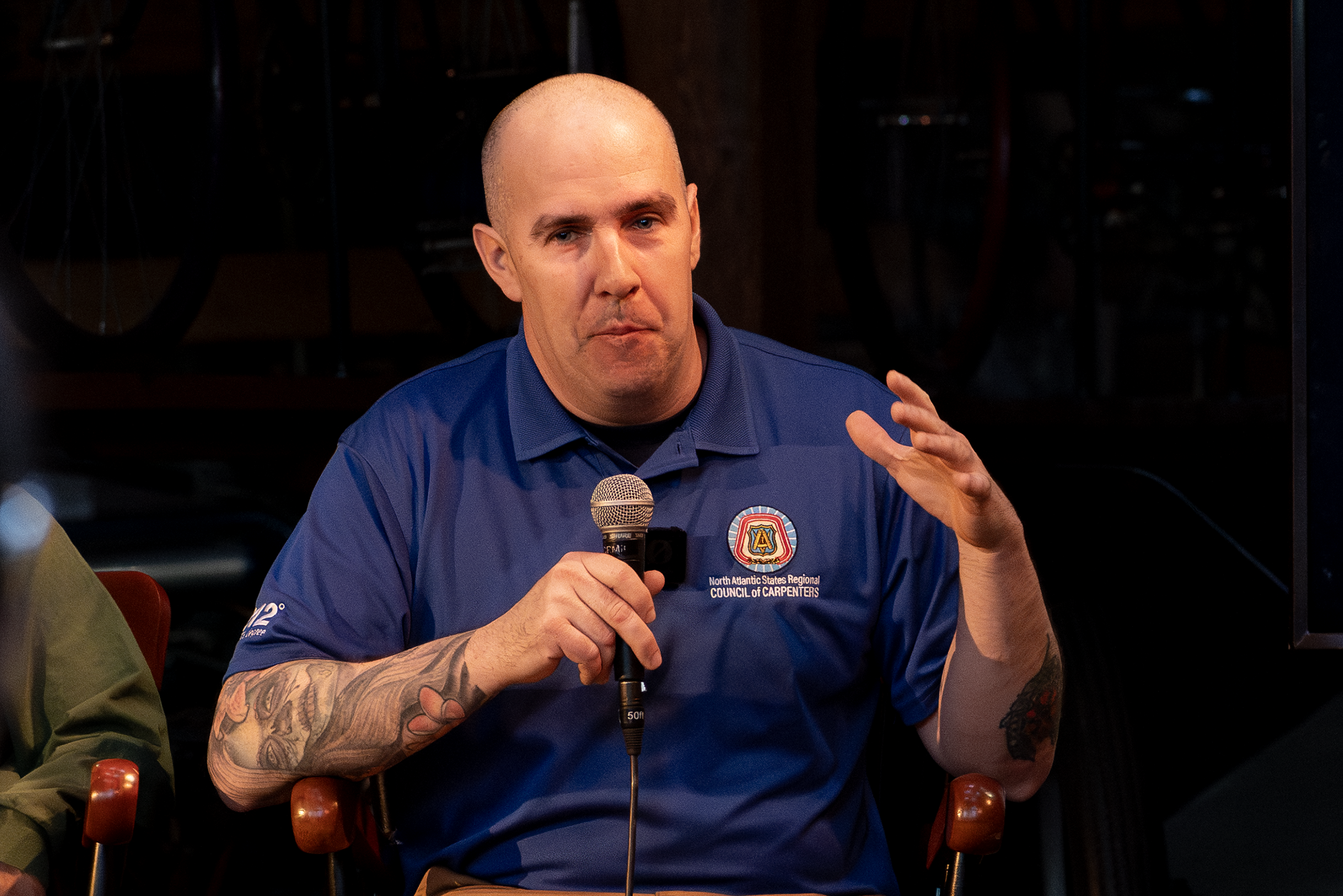
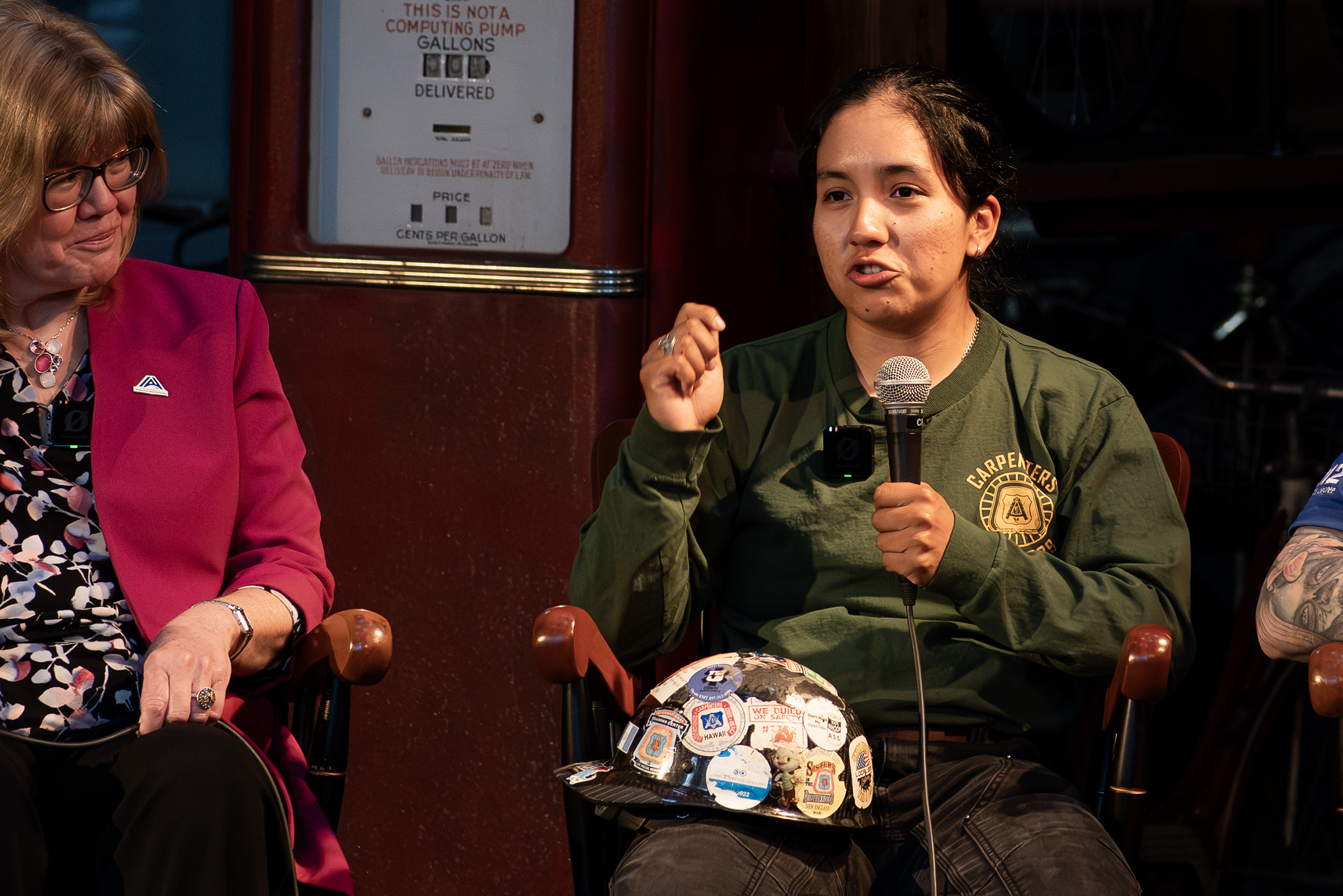
In this first session, we were joined by professionals in the construction and building trades. Tom Geary is Business Representative / Organizer Local 339 North Atlantic States Regional Council of Carpenters, and Jackie Ramos is a dynamic young member of the Local and a strong advocate for those looking to enter the trades.
Both spoke about the jobsite - what skills, tools, and technology are used on a daily basis, how the modern construction site is both complex and coordinated among the 14 different fields of industrial work, and what kinds of pathways exist to bring new workers into this kind of career.
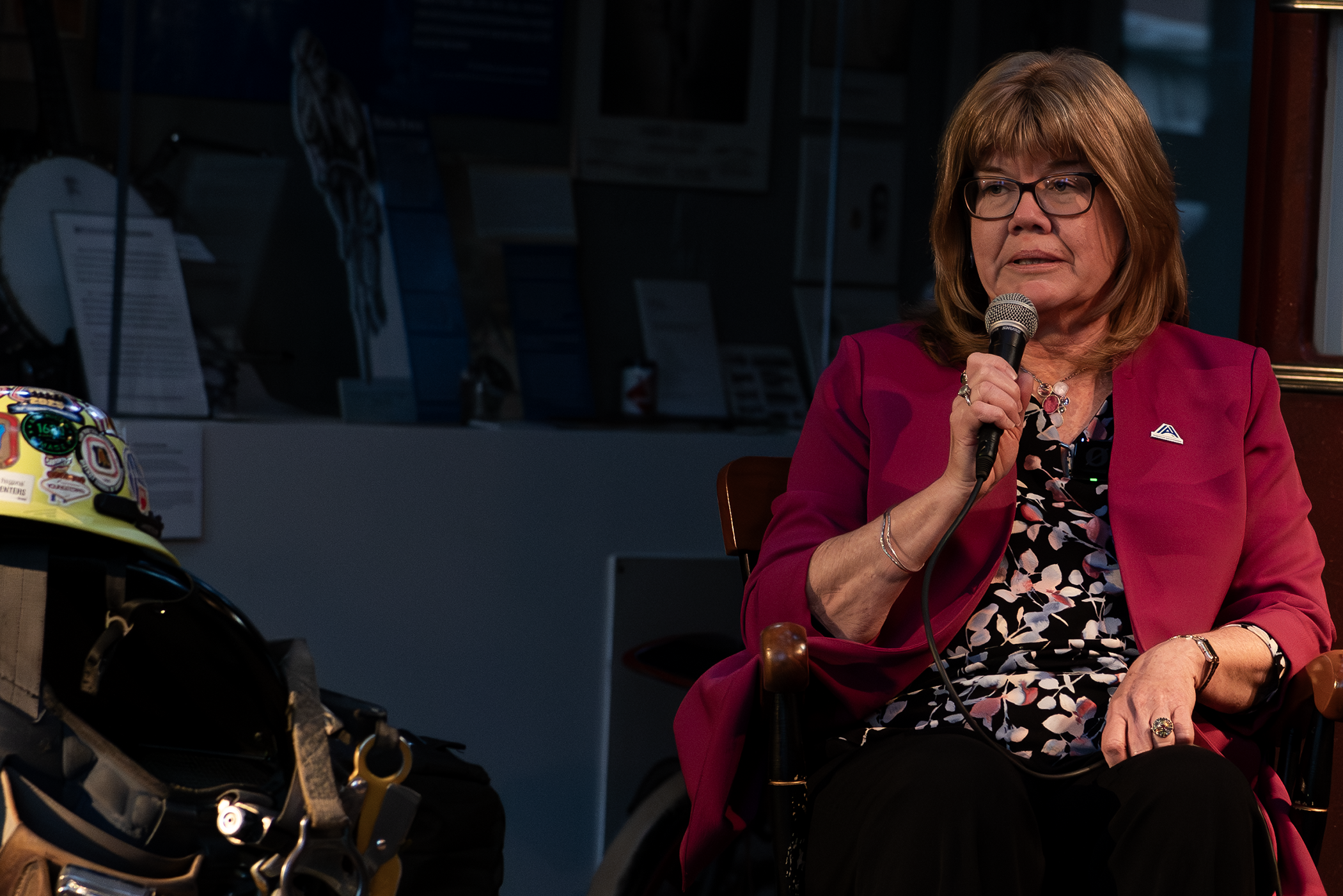
Also joining them on stage as part of the conversation was Margaret (Margie) Gilligan of the Massachusetts Executive Office of Labor & Workforce Development (EOLWD) and its Division of Apprentice Standards. Margie spoke about the Commonwealth of Massachusetts's efforts to encourage and facilitate entry into the skilled trades through robust apprenticeships that provide training and experience.
We are so proud to host this series here, at the Charles River Museum in the City of Waltham, MA. It was here that Paul Moody set up the modern system of apprenticing industrial machinists as part of the Waltham-Lowell System of manufacturing, and where Mill Girls like Mary Melvin did the same.
It's been great seeing a renewed appreciation for the skilled trades, especially in our public and political policy, but our museum is here to remind the community that Massachusetts has led the way on this for over two centuries.
The American worker has long been the backbone of American economic prosperity. Each session spotlights a different trade or type of industrial work, including those that keep our electrical grid powered, water flowing, transit systems running on time, and our modern world functioning.
Jackie was especially strong in saying that the skilled trades are for everyone who feels like this might be the right kind of work for them - including women, immigrants, those changing careers, and those who may not see a four-year college degree as right for them (or right for them yet).
Our next session is scheduled for June 11 at 7:00 PM: Water, Sewer, and the Hidden Infrastructure of a City. Stay tuned for details, or sign up for our email list and follow us on socials! All sessions are recorded and will be posted to our YouTube channel.