”IT'S WALTHAM WATCH TIME - TIME FOR AMERICANS.”
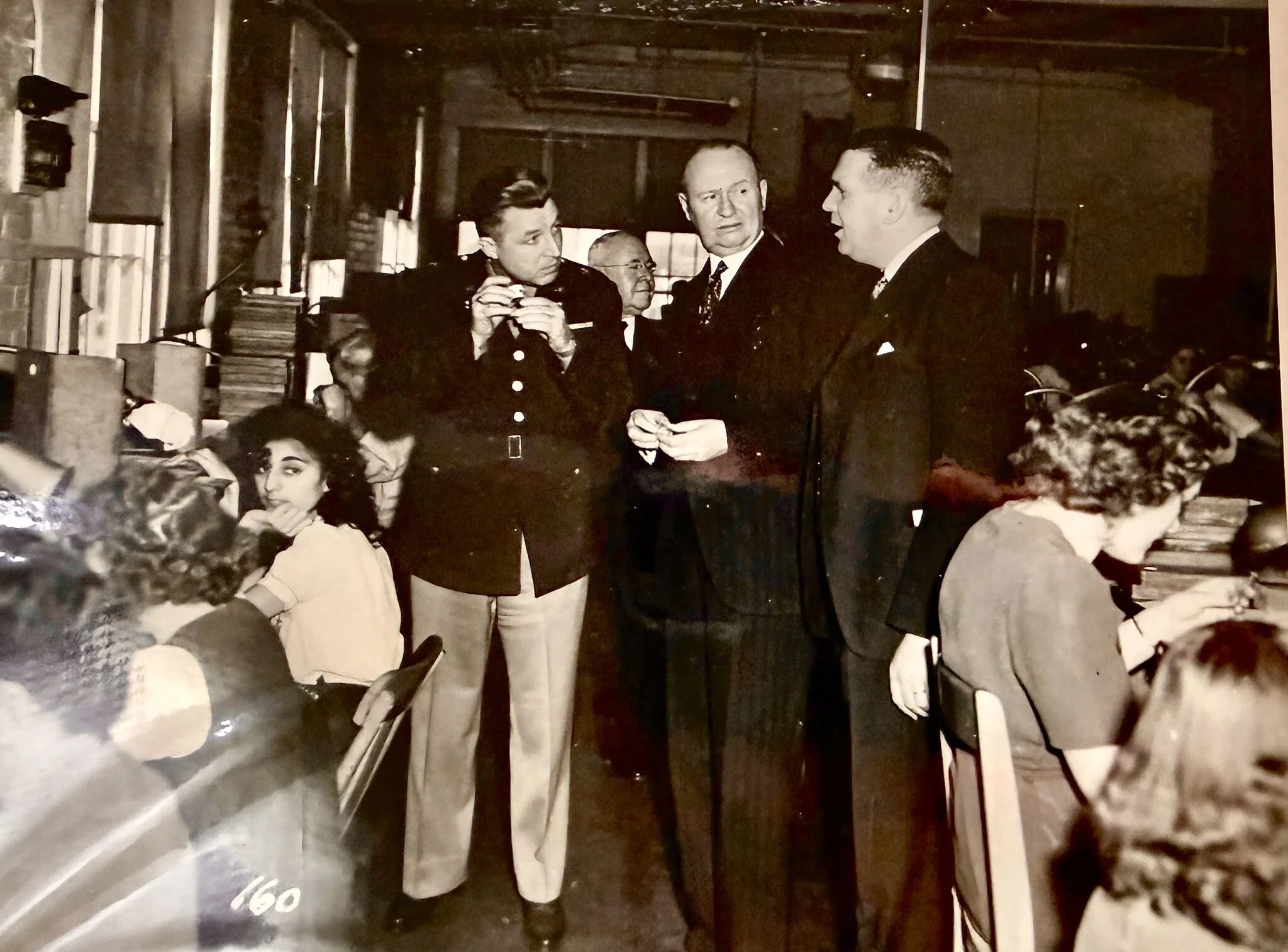
/In 1944 and 1945, a remarkable series of national broadcasts originated right from the Waltham Watch Company's factory on Crescent Street. Former Under Secretary of State Sumner Welles (right) delivered audio essays on World War II and his vision for post-war international order.
Just like our trove of correspondence between Waltham Watch and Nikola Tesla, the Charles River Museum of Industry & Innovation’s collection includes original, annotated scripts from Welles's programs.
And aside from the general historical nature of the talks, we love the ad-reads for Waltham Watch products that are included:
”IT'S WALTHAM WATCH TIME - TIME FOR AMERICANS.”
What will the watch of the future be like? The same watch we've always known?
”Or, a better watch?
”These questions are being answered this very minute at Waltham, where behind long rows of lighted windows in the Waltham Watch Company, hundreds of skilled craftsmen - men who have devoted their lives; men whose fathers devoted their lives before them - bend over delicate instruments and with sensitive fingers and precision tools of finest steel, fashion the most perfect time-measuring devices used in this war.
”No watches for civilians now, but once the war is won, and its lessons learned, all the skill and craftsmanship which created Waltham's position as FIRST AMERICAN WATCH will be turned to the pursuits of peace...”
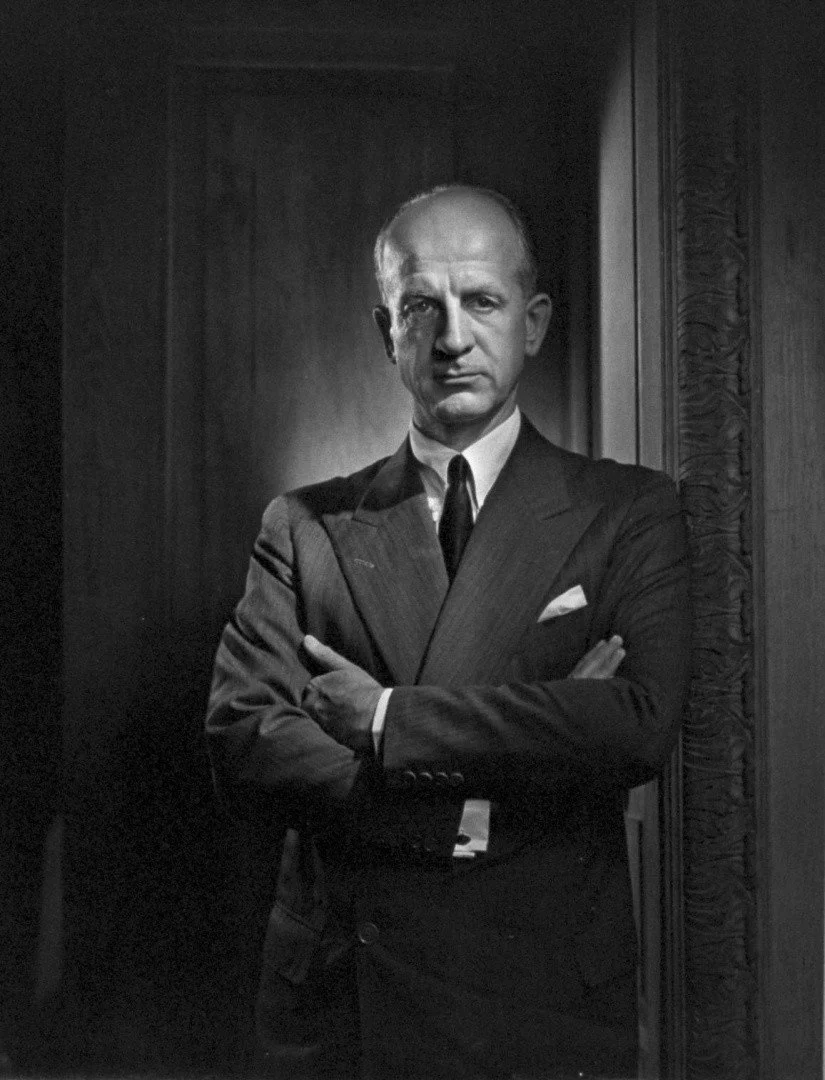
Welles saw early on that true peace required rules-based international standards rather than sheer force, an argument that remains as relevant today as it was from a studio on the Charles River 80 years ago.
On the Danger of "Might Makes Right" and Polarized Spheres of Influence
"From the purely practical standpoint, it is perfectly clear... that if every one of the great powers, simply because it is strong enough to do so, decides to intervene either by diplomatic means, or through the use of force... to bring about the establishment there of the kind of government it wants, international anarchy will be the result."
A Blueprint for Durable Peace Through Self-Determination
"I cannot conceive of any permanently stable or peaceful world in which sovereign peoples are not permitted freely to determine their own destinies within the limitations of international conduct fixed by an International Organization."
Sumner Welles had been forced out of the State Department in late 1943 by Secretary of State Cordell Hull, who used an FBI file on Welles’s personal life, to force his resignation - a prelude to the so-called 'Lavender Scare,' when government officials perceived to be gay were ruthlessly purged.
Undeterred, Welles took his vision for post-war international order directly to the public. He was instrumental in the creation of the United Nations.
Our amazing former volunteer, Draken Garfinkel, tracked down digitized copies of the original broadcasts through the University of Missouri-Kansas City.
Check out the audio clip below to hear Sumner Welles broadcasting from Waltham!