What do you know about the War of 1812?
/
It's been called "The Forgotten Conflict," but it had big consequences for the early American republic and its national identity.
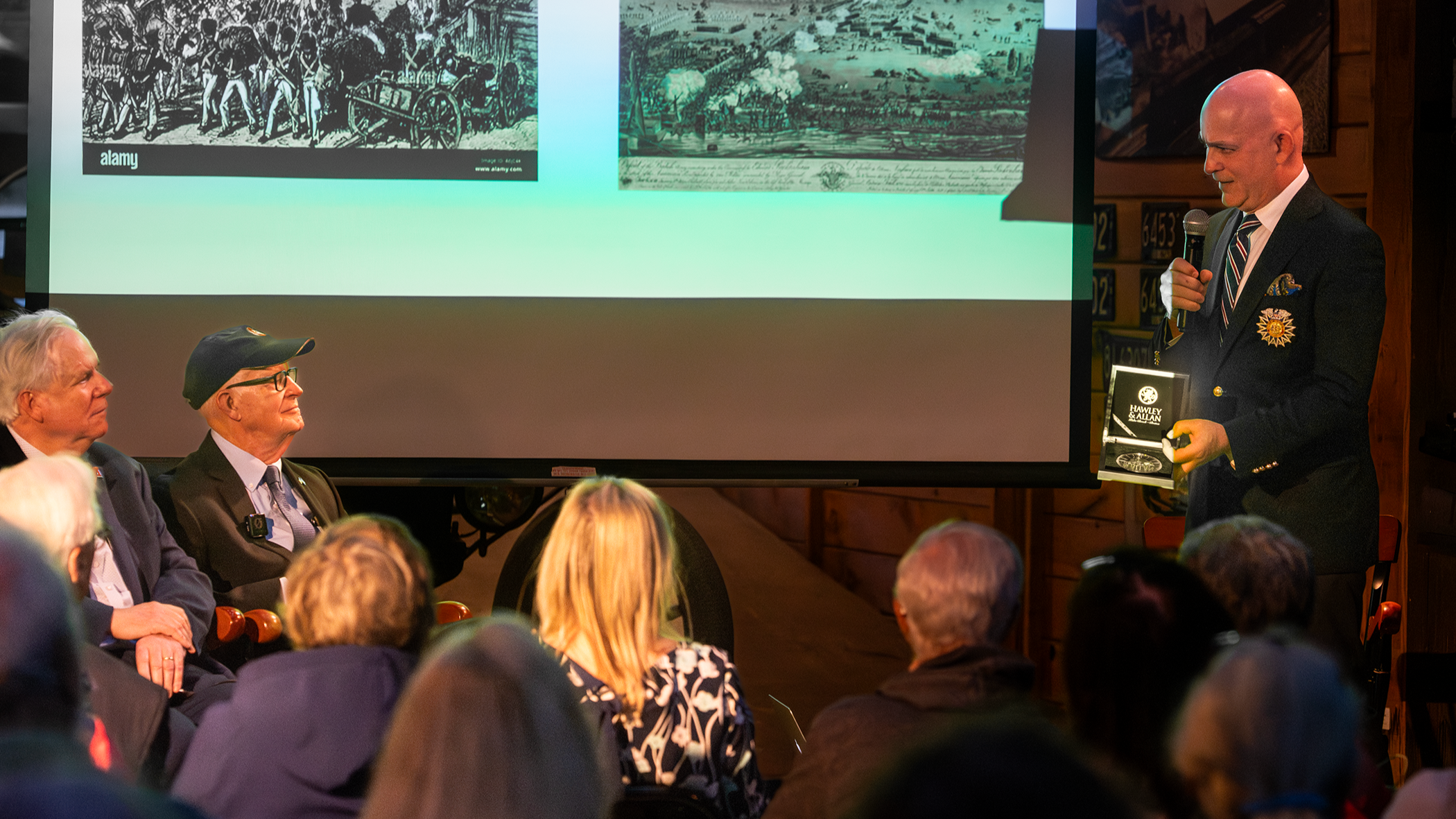
This week, the Charles River Museum of Industry & Innovation welcomed a sold-out crowd to hear a moderated discussion by two deeply respected historians, co-sponsored by The Lowell Institute and The Society for the War of 1812 in the Commonwealth of Massachusetts.
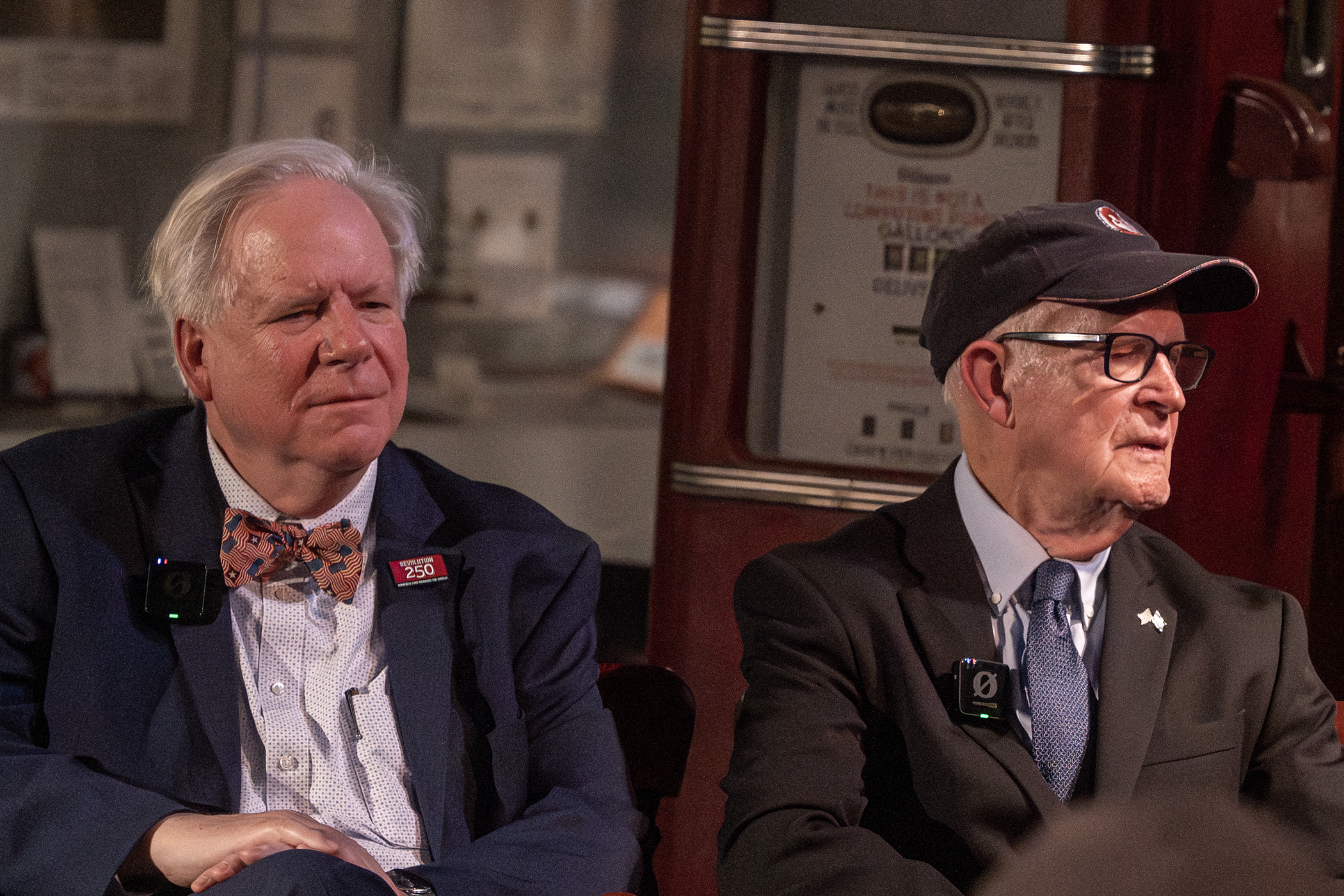
Longtime Wayne State College Professor Don Hickey and Revolution 250 Chair Robert Allison joined us in conversation on the surprising legacy of the War of 1812 on America's place in the world order.
Don Hickey's book, "The War of 1812: A Forgotten Conflict," marks a watershed in scholarship of the war's place in our history.
We were so proud to have both Bob and Don in our museum, the place where Francis Cabot Lowell established the world's first modern factory- the Boston Manufacturing Company's textile mill- in Waltham in 1814. Lowell was able to have the entire domestic cotton textile market to himself only because of the trade disruptions of war.
When the war started, trade between the UK, France, and the US ground to a halt. In 1813, Lowell establishes his company, in 1814, his mill is built, and in 1815 is the first large-scale order for his cheap cotton cloth.
By the time the war ended in 1815, Lowell was planning a second mill next to his first, doubling in size. In 1816, he was with Daniel Webster and John C. Calhoun in Washington, urging for the Tariff of 1816.
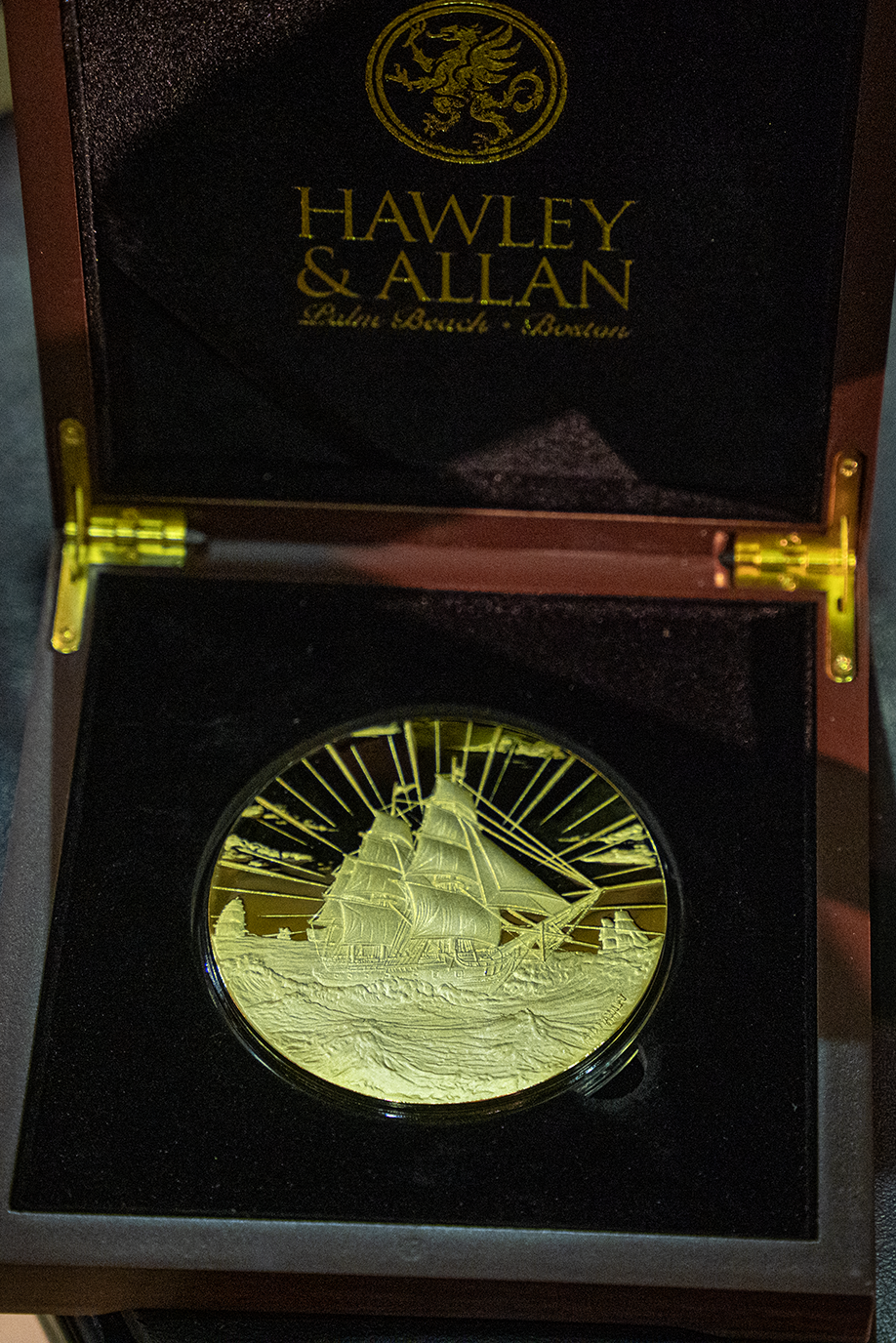
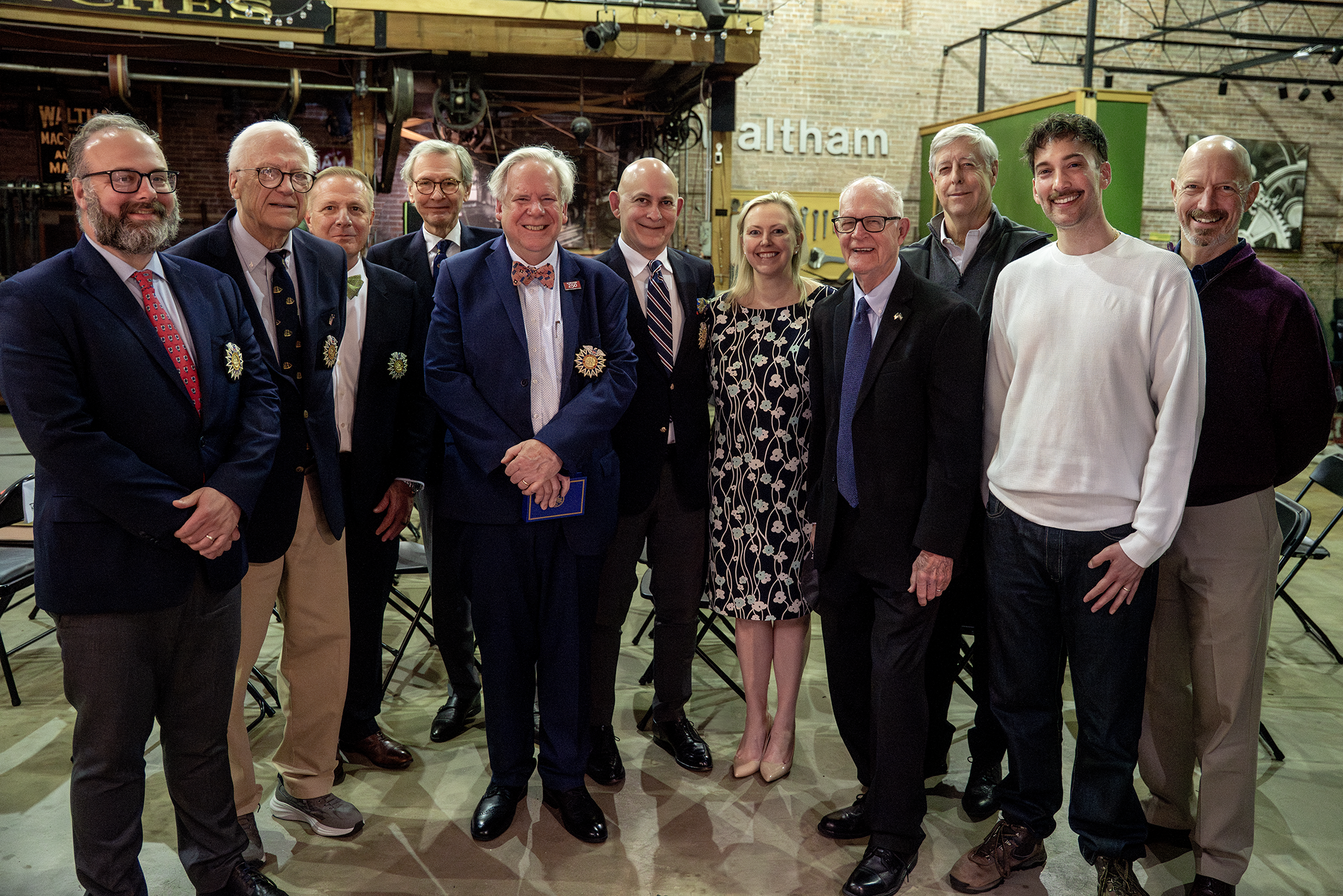
Before the talk, Shervin H., President of the 1812 Society, presented Don Hickey and Bob Allison with medallions to recognize both historians' lifelong contributions to the field. It was an honor for me to participate in the public conversation with them.
Some of the fascinating points from the discussion:
• The War of 1812 was a defining moment for the young US Republic, as it pivoted from transatlantic shipping to westward expansion, especially in the upper Midwest
• The USS Constitution- Old Ironsides- solidifies its place as an icon of the US Navy
• Canada views this period as central to its own national independence struggle and a time of heroes and patriots
During our discussion, Museum Director of Education Stephen Guerriero shared a quote from the anti-war federalist Boston newspaper, The Columbian Centinel:
"Canada is of little importance, either to us or to England; and whether taken or not taken, ought to weigh nothing in the dispute. Our land-jobbers may determine otherwise, but the American nation will not spend two or three hundred millions of the public money... merely that a few fortune-hunters may obtain tracts of wild lands, and oppress the Canadian people."
The audience included many distinguished guests, including Bill Lowell, sole Trustee of The Lowell Institute, Ellie Lowell, his sister and Trustee of the Charles River Museum, Anne Grimes Rand of the USS Constitution Museum, genealogist Christopher Child, and Gore Place Board of Governors President Debbie Dobbins.