Digging into some Curtiss-Wright history
/It would be hard to find a company with deeper history than Curtiss-Wright Corporation, and we've got some early pieces of that story right here at the Charles River Museum of Industry & Innovation.
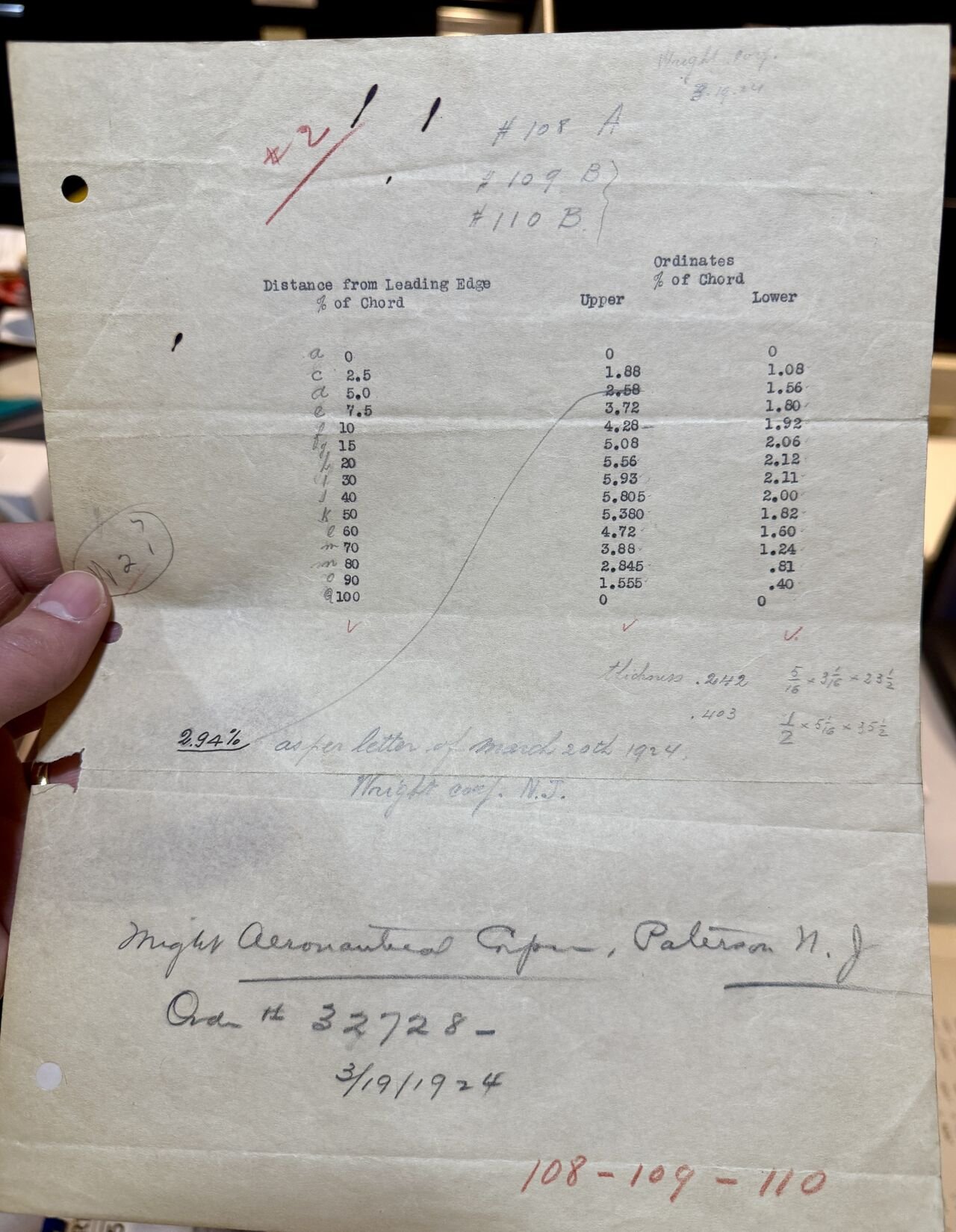
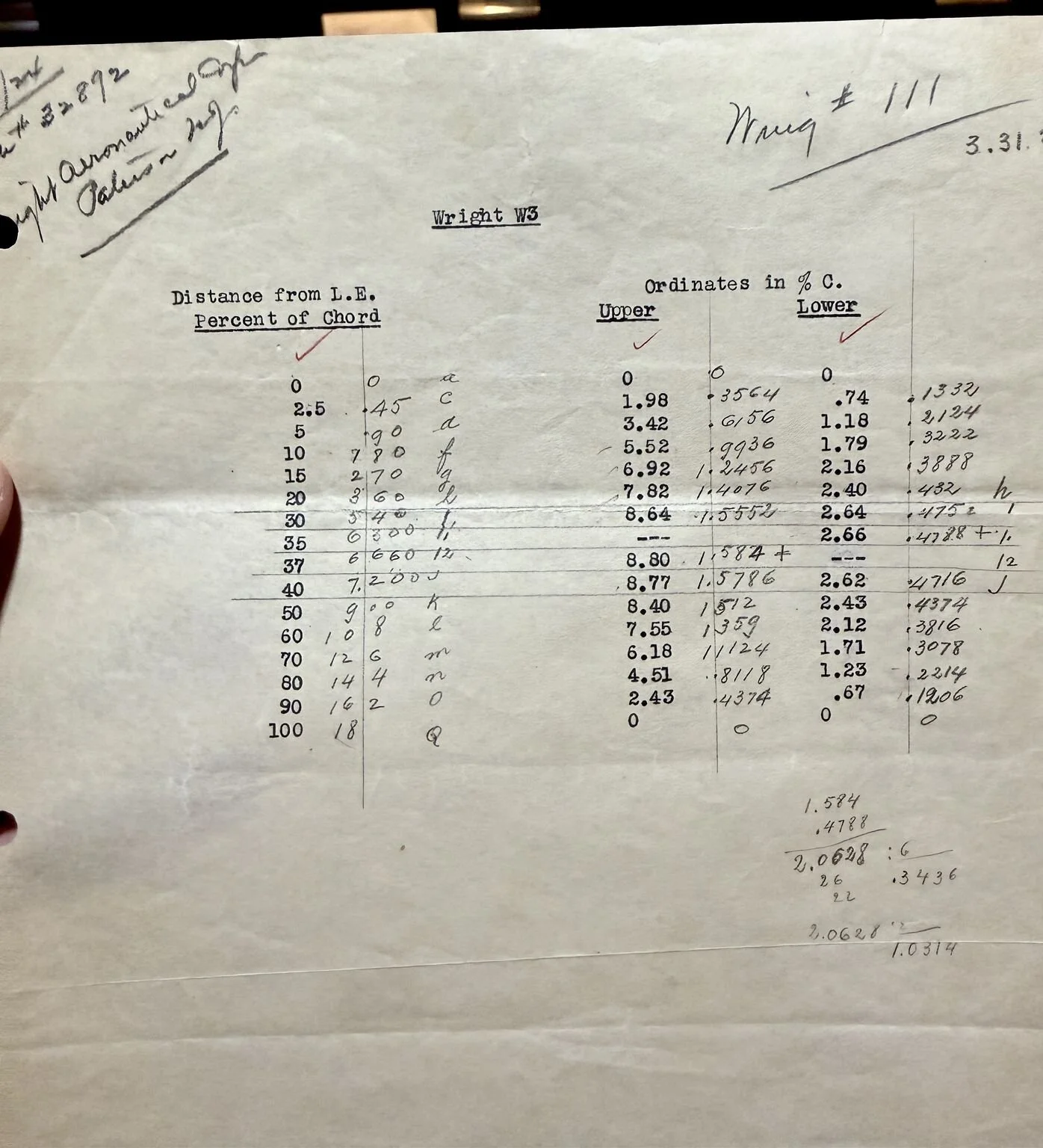
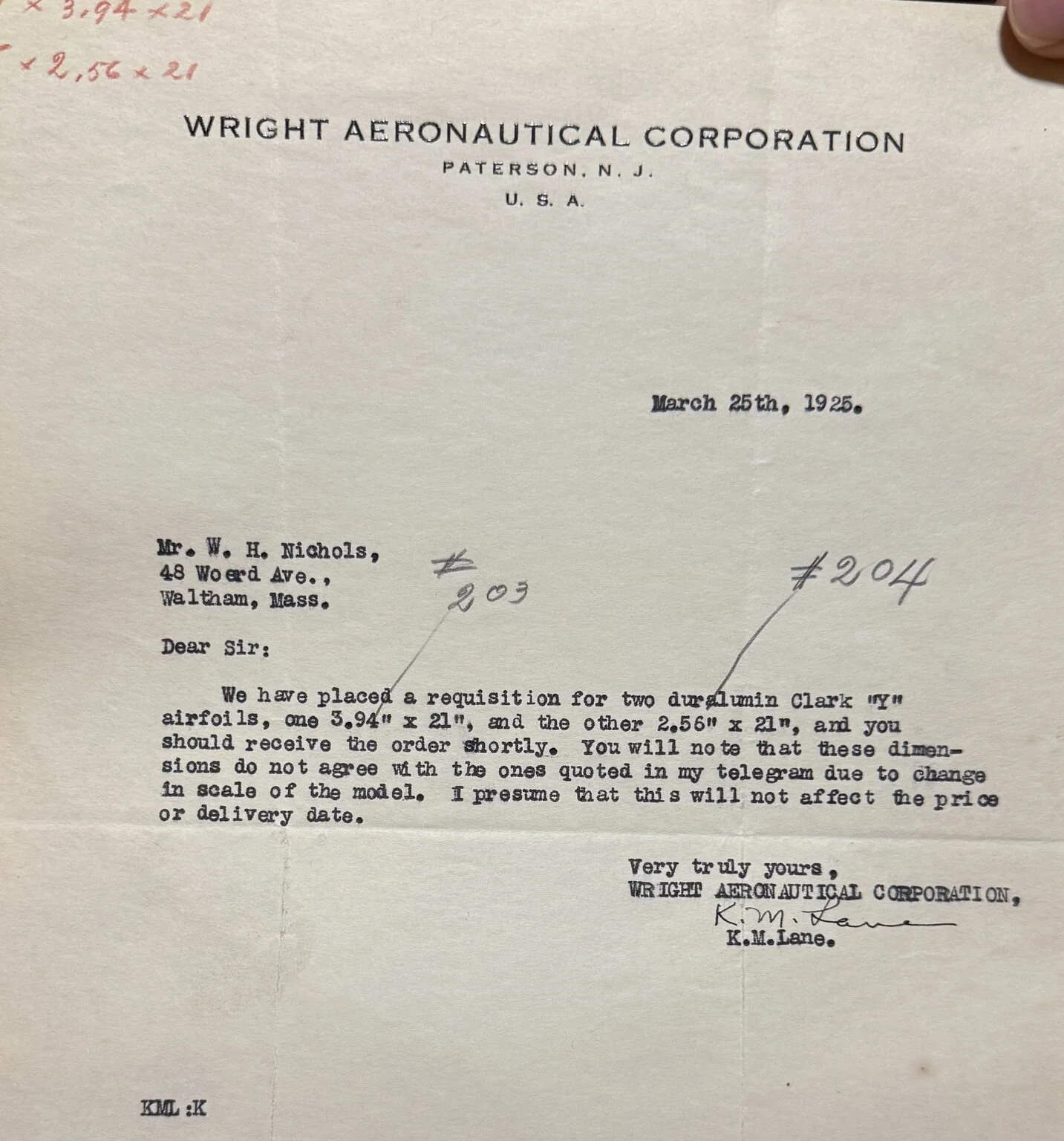
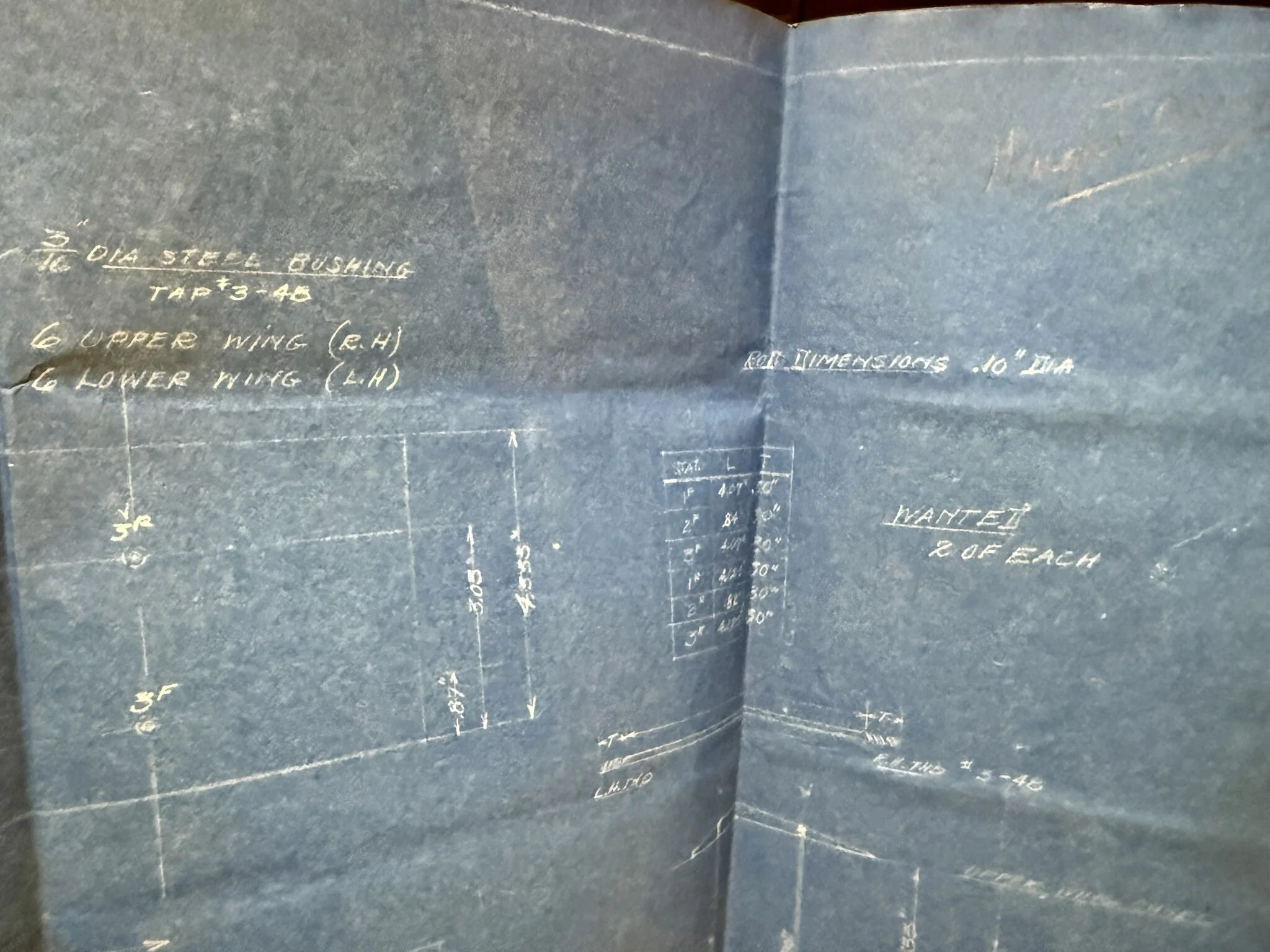
Deep in our archives, we have a tremendous amount of material related to the first years of the aviation industry. Much of it was part of the WH Nichols collection, as the company started by William H. Nichols here in Waltham manufactured key components for both civilian and defense aircraft. We have blueprints, airfoil calculations, documents relating to the Experimental Air Service of the US military, schematics from the University of Toronto, and correspondence with Curtiss-Wright Corporation.
Locally, Charles Metz of the Waltham Manufacturing Company had manufactured bicycles, motorcycles, and brass-era cars, and by 1911 was hosting an aerodrome show from his headquarters, Gore Place.
Much of that dates from the 1910s and 1920s, some of the earliest days of aviation innovation. Here are a few samples - we’re hoping some folks from Curtiss-Wright might shed more insight on the people and items being discussed in this exchange of letters from the 1920s. Mr. K. M. Lane of Wright Aeronautical Corporation writes to WH Nichols to request "two duralumin Clark "Y" airfoils..." on March 25, 1925. We'd love to know more about the identity of Mr. Lane, and the exact airfoil model he's asking to have made for his purpose.
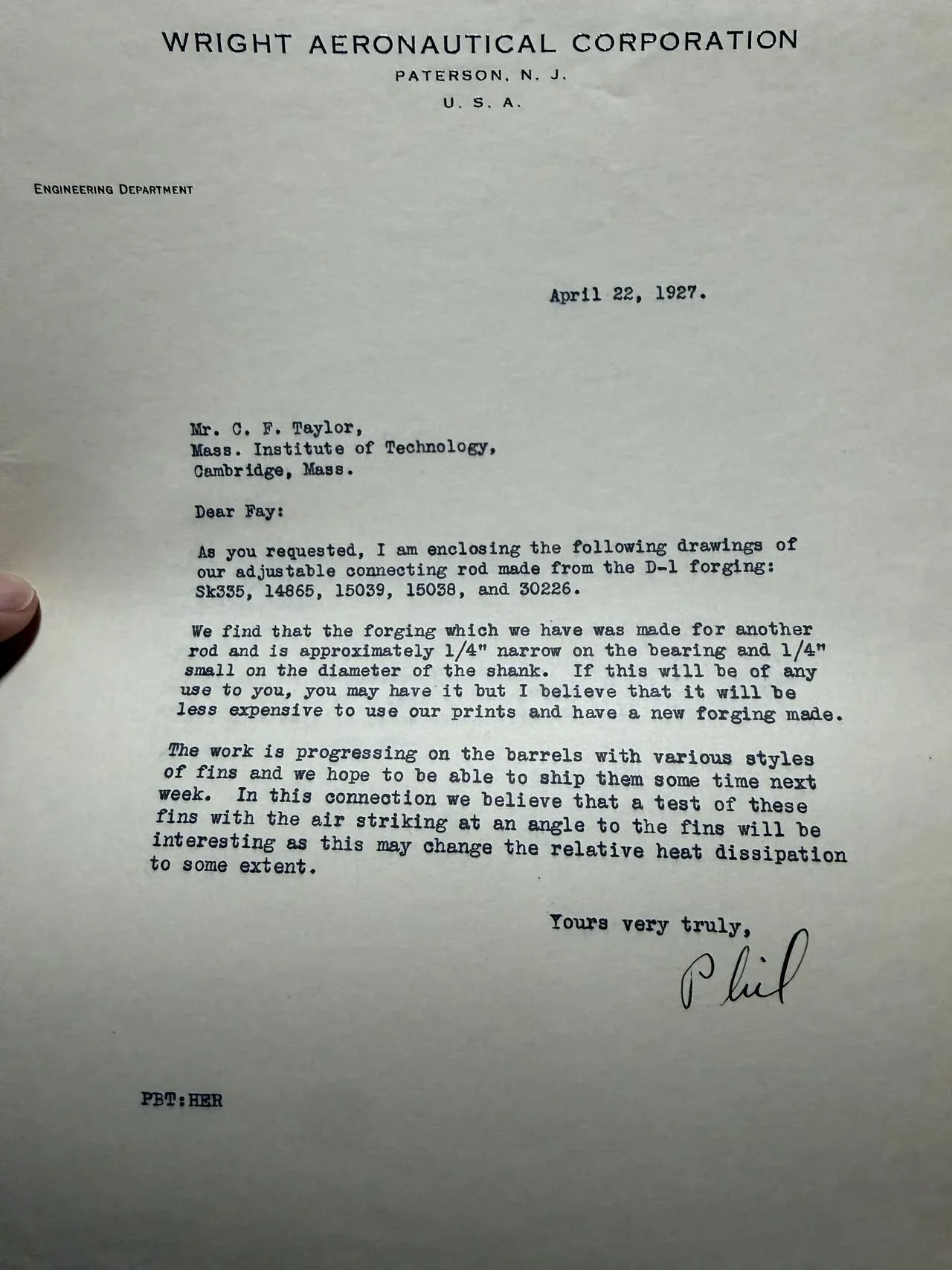
Another letter is from "Phil" of Wright Aeronautical to C. F. Taylor over at the Massachusetts Institute of Technology (MIT)'s MIT School of Engineering. He writes to "Fay" on April 22, 1927,
"As you requested, I am enclosing the following drawings of our adjustable connecting rod made from the D-1 forging...
The work is progressing on the barrels with various styles of fins, and we hope to be able to ship them sometime next week. In this connection, we believe that a test of these fins with the air, striking at an angle to the fins will be interesting as this may change the relative heat participation to some extent."
This is what innovation looks like in real time - and shows the nexus of academic research, defense, and the private sector all working together on new technological advancement.
This is just a small subset of the vast aviation history represented in our collection, and we're eager to connect with companies and organizations interested in adding context, and sharing in this century of technological innovation it reveals.