Mill Talk: Why Were There No Black Machine Operatives in 19th Century New England Textile Mills?
presented by Jacqueline Jones
Professor of History Emerita at the University of Texas at Austin
FREE to the Public
REGISTRATION REQUIRED
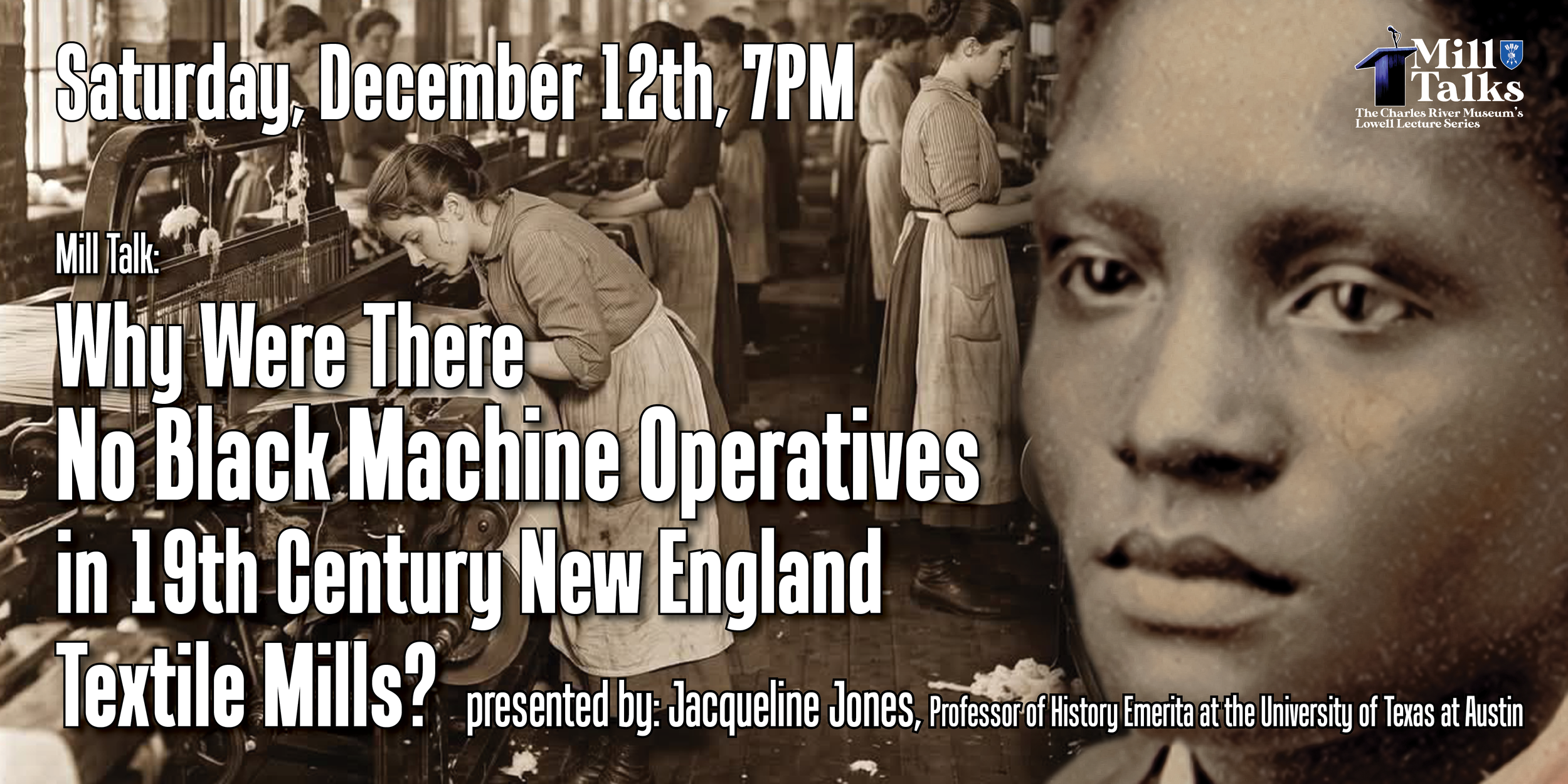
In the antebellum South, textile mill operators relied on enslaved workers for their machine operatives. However, during this period, New England textile mills employed only white men, women and children, in the process denying Black people the opportunity to earn hourly wages rather than serve as farm hands or domestic servants. What accounts for the racial division of labor in the industrializing North? And given the low pay and long hours of mill work, why is it significant that Blacks were excluded from this industry? Key to those answers is the failure of potential white allies to advocate for the opportunities of Black workers. In Boston, those potential allies included white abolitionists, labor activists, city officials, military veterans, Republican politicians, and Progressive reformers.
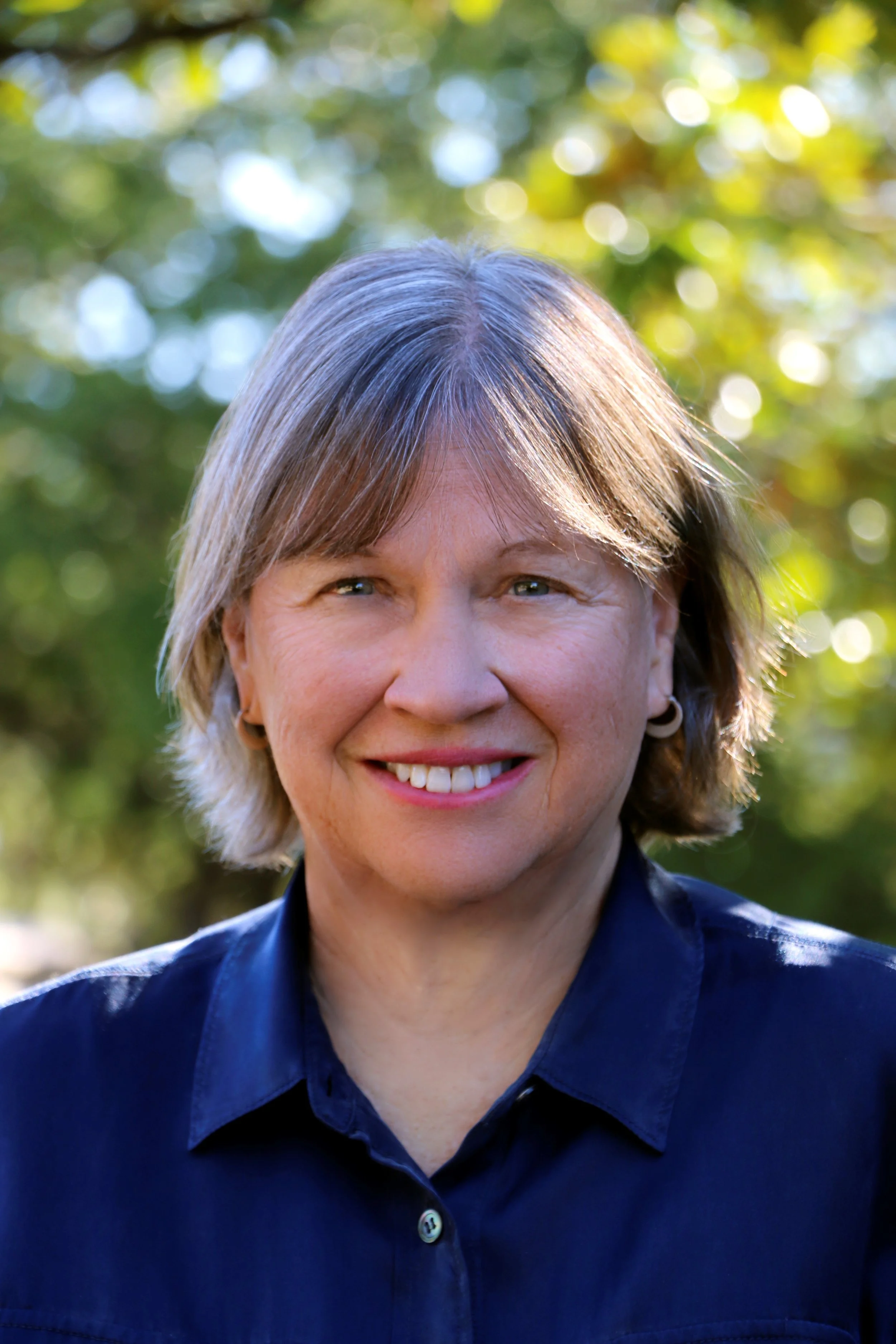
Jacqueline Jones is Professor of History Emerita at the University of Texas at Austin. She is the author of, among other works, American Work: Four Centuries of Black and White Labor and No Right to an Honest Living: The Struggles of Black Workers in the Civil War Era, which won the 2024 Pulitzer Prize for History. She served as president of the American Historical Association in 2021.
Mill Talks at the Charles River Museum of Industry and Innovation are free and open to the public and are made possible by the generous support of the Lowell Institute.