Mill Talk: Making Land, Taking Land: Gentrification on Boston’s Early Waterfront
presented by Kathryn Lasdow,
Director of Engagement at the Massachusetts Historical Society
FREE to the public
REGISTRATION REQUIRED
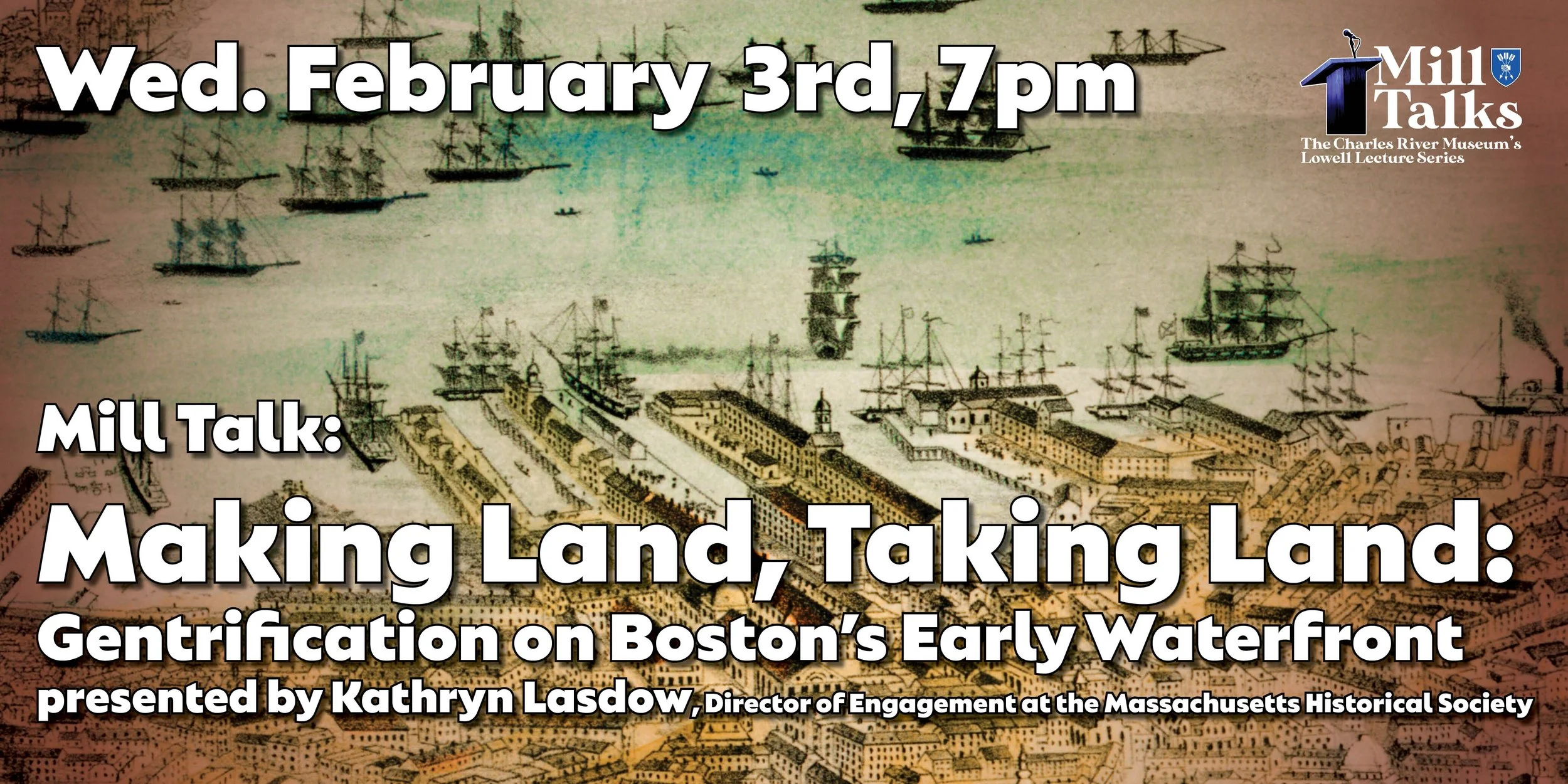
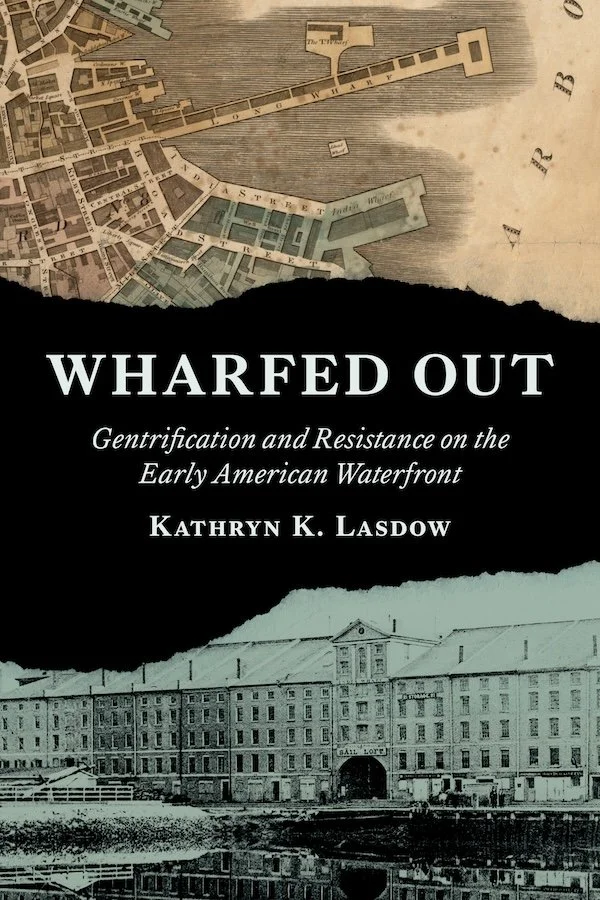
When we think of gentrification, we tend to picture the recent past: luxury condominiums, converted warehouses, and longtime residents pushed out of changing neighborhoods. In Wharfed Out: Gentrification and Resistance on the Early American Waterfront, historian Kathryn Lasdow traces these conflicts back to the port cities of the early republic.
This talk focuses on Boston. In the early 1800s, investors including Uriah Cotting, Harrison Gray Otis, and Francis Cabot Lowell set out to remake the waterfront near Fort Hill, building India Wharf and then laying out Broad and India Streets. In the process, they gained support from the city and state, harnessed the power of eminent domain, and joined together as a real estate corporation to compel local residents to surrender their property, at times sparking lawsuits and riots.
Pushing the history of American gentrification back more than two centuries, Lasdow’s book reveals how private investors and public officials reshaped urban space long before the term “gentrification” existed. It also raises a question that remains urgent today: who decides the future of the shore, and who pays the price?
Bio:
Kathryn Lasdow is Director of Engagement at the Massachusetts Historical Society. She is a public historian, curator, and cultural communicator whose work sits at the intersection of scholarship, collections, and community engagement. She has produced exhibitions, educational programs, and digital projects at leading institutions, including the Norman B. Leventhal Map & Education Center at the Boston Public Library, the Brooklyn Historical Society, and the White House Historical Association.
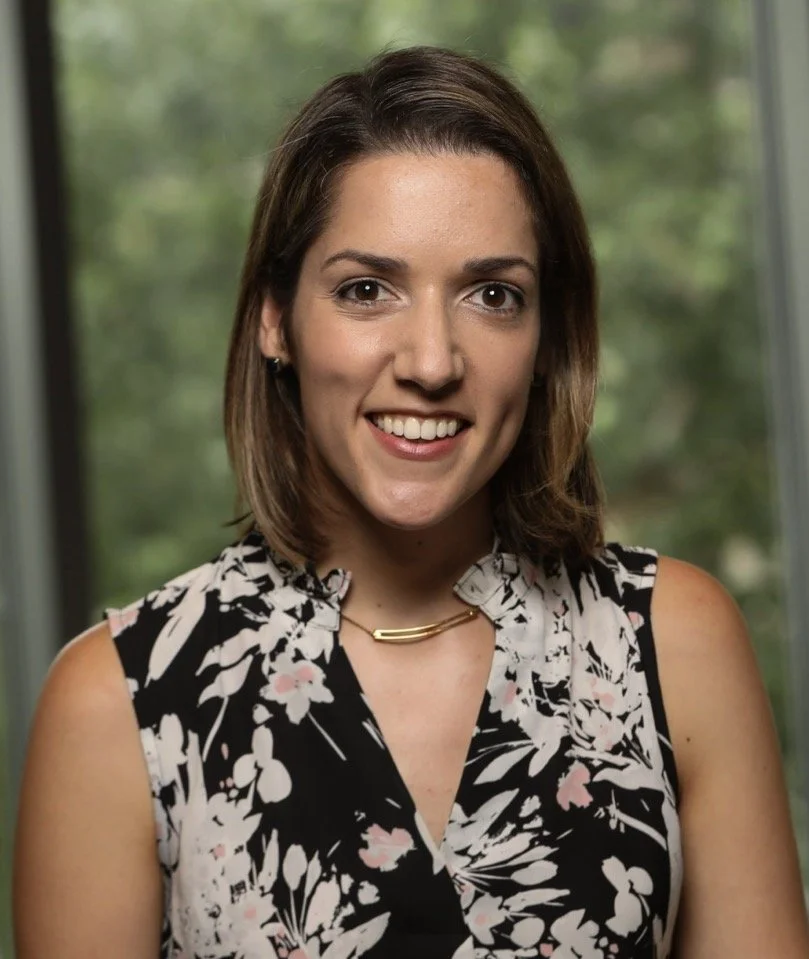
Formerly, she was Associate Professor of History and Director of Public History at Suffolk University. Her lectures have appeared on C-SPAN’s American History TV and Curiosity University, and her scholarship has been supported by the National Endowment for the Humanities, the Omohundro Institute, Winterthur Museum, and George Washington’s Mount Vernon.
Mill Talks at the Charles River Museum of Industry and Innovation are free and open to the public and are made possible by the generous support of the Lowell Institute.